
Brokerage Service
Our professionals buy or sell domains on your behalf.
Whether we're buying your ideal domain or selling your premium domains for the best prices, our experienced team of brokers is there for you – dedicated, trustworthy and discrete.
We acquire your perfect domain
Are you not able to find your desired domain on our marketplace? Or would you simply like to save the time and hassle by having our brokers negotiate for you? Our experts will contact the owner on your behalf and handle all of the necessary negotiations.
Just let us know which domain you are interested in and entrust our brokers with the negotiations. We will assign you a personal domain broker who will initiate negotiations with the owner on your behalf. You as the customer remain discreetly in the background. Guaranteed!
- Domains à la Carte: our experts will acquire your domain,
even if it isn't for sale at Sedo - Individual support: your personal domain broker will advise and consult with you before initiating and solidifying negotiations with the owner on your behalf
- Guaranteed discretion: customers remain anonymous during negotiations
- Free Transfer Services included
- 69 $ one-off fee for contracting (non- refundable)
- 15% commission on the purchase price upon successful Domain Brokerage
Highest prices for premium domains
Are you the owner of a high-quality domain? Our experts will help you to approach the right buyers – and obtain the best possible selling price for your domain.
Since 1999, our domain brokerage team has completed some of the most chart topping and expensive sales in the industry: Sex.com for 13 m $, dudu.com for 1 m $, kaffee.de for 100 000 €, and many many more. We will assign you a personal domain broker who will initiate negotiations with potential buyers on your behalf. Customers always remain confidential. Guaranteed!
- No upfront costs – You will only be charged if your domain is sold
- Guaranteed discretion: Customers remain anonymous during the negotiations
- Free Transfer Services included
- No contracting fees
- 15% commission on the sales price upon a successful sale.
Get the domain you really want!
Sell your Top Domain through our brokers
Our Minimum Requirement for Domain Marketing
Your domain consists of no more than two descriptive words.
You agree to an exclusive marketing agreement.
You notify us of any ongoing correspondence and offers already received from interested parties.
Domains with spelling and typographic errors will not be accepted.
You provide us with traffic statistics for the past 12 months.
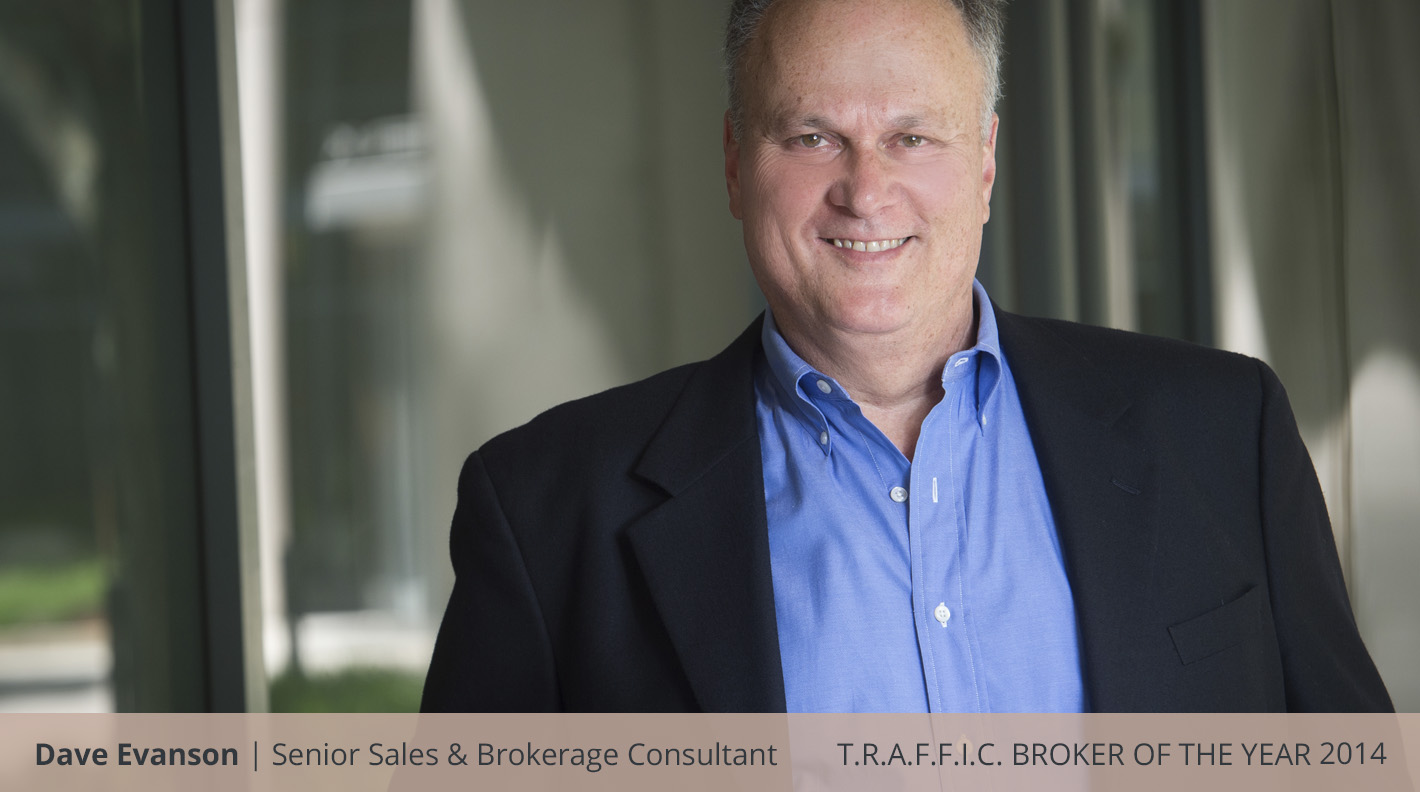
Premium Domains from our Brokers
A premium domain can help your business establish a strong brand, attract more traffic, and improve your search engine rankings, while potentially reducing your advertising spend. Unlock the power of a premium domain and elevate your brand today.

Frequently asked questions (FAQ)
You will find the most frequently asked questions here.
- How will my broker communicate with me when I request the brokerage service?
- Does it cost anything to sell my my domain with the help of a broker?
- How will Sedo's brokers help me market and sell my domains?
- Do I still have to pay for the buyer-side broker service if Sedo fails to get the domain for me?